



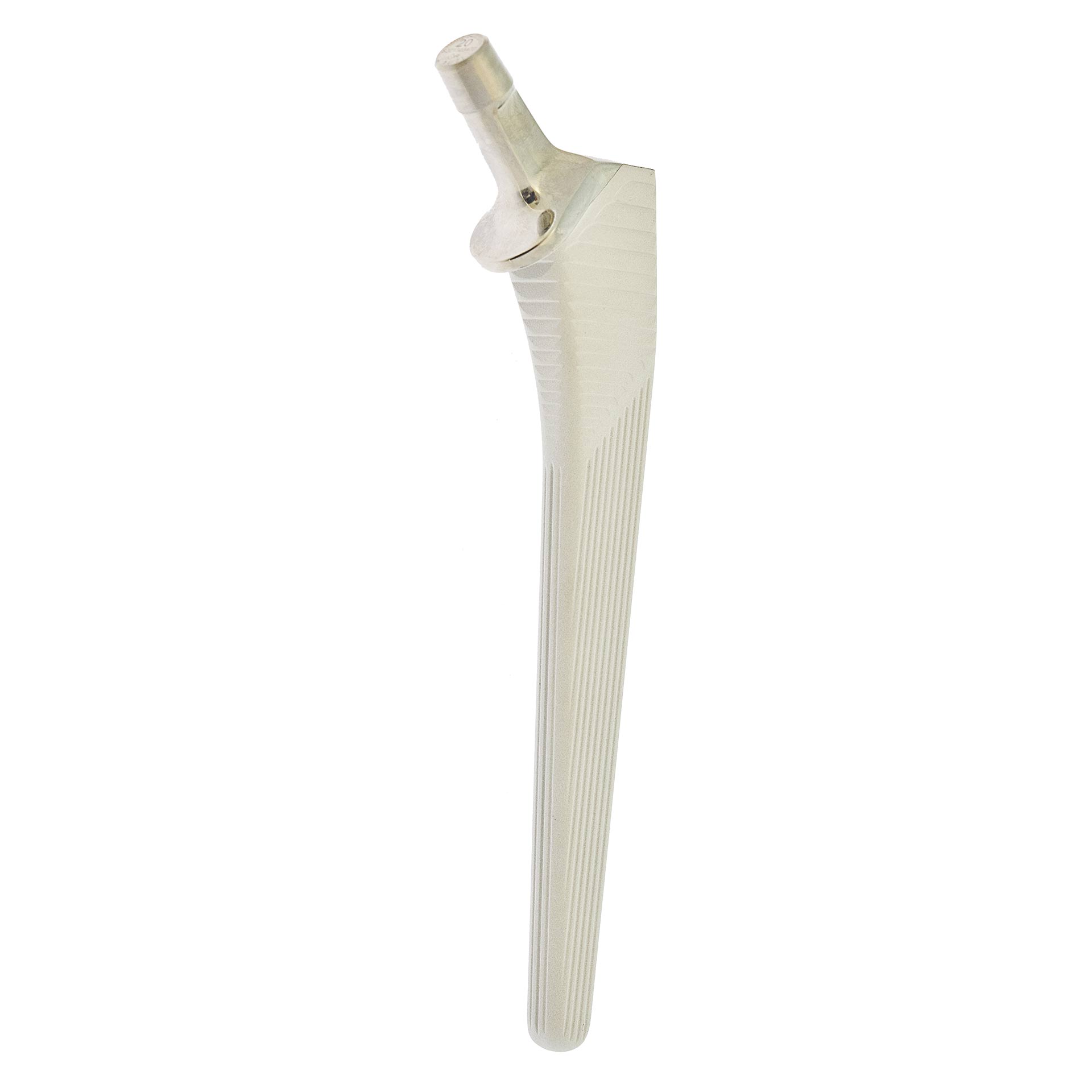
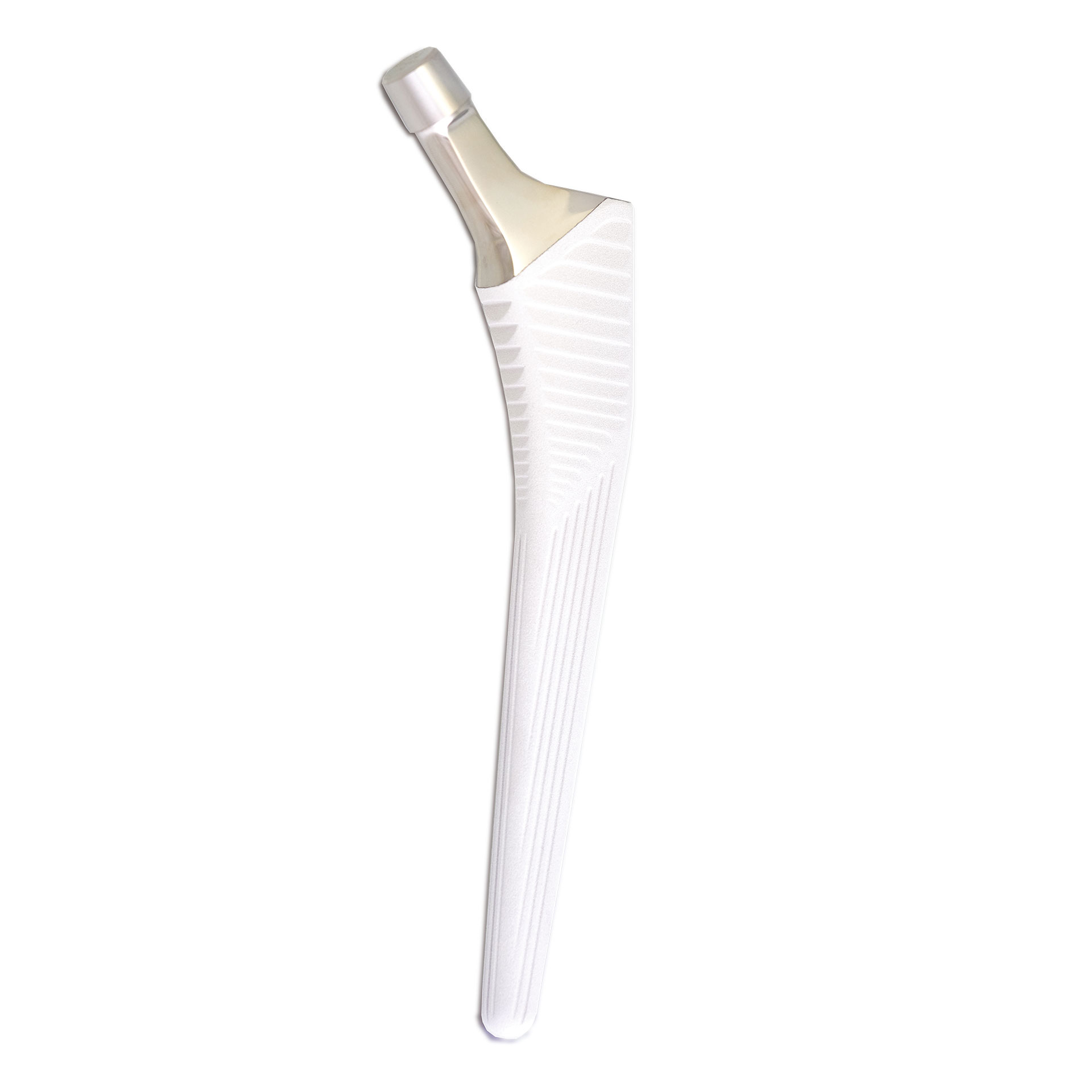
OptiStem CRL Complete System
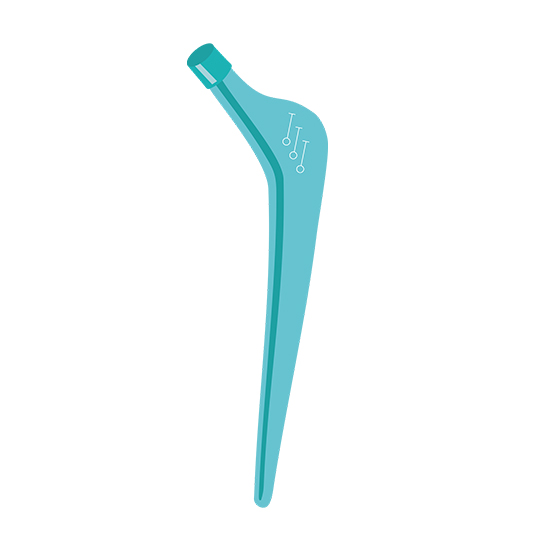
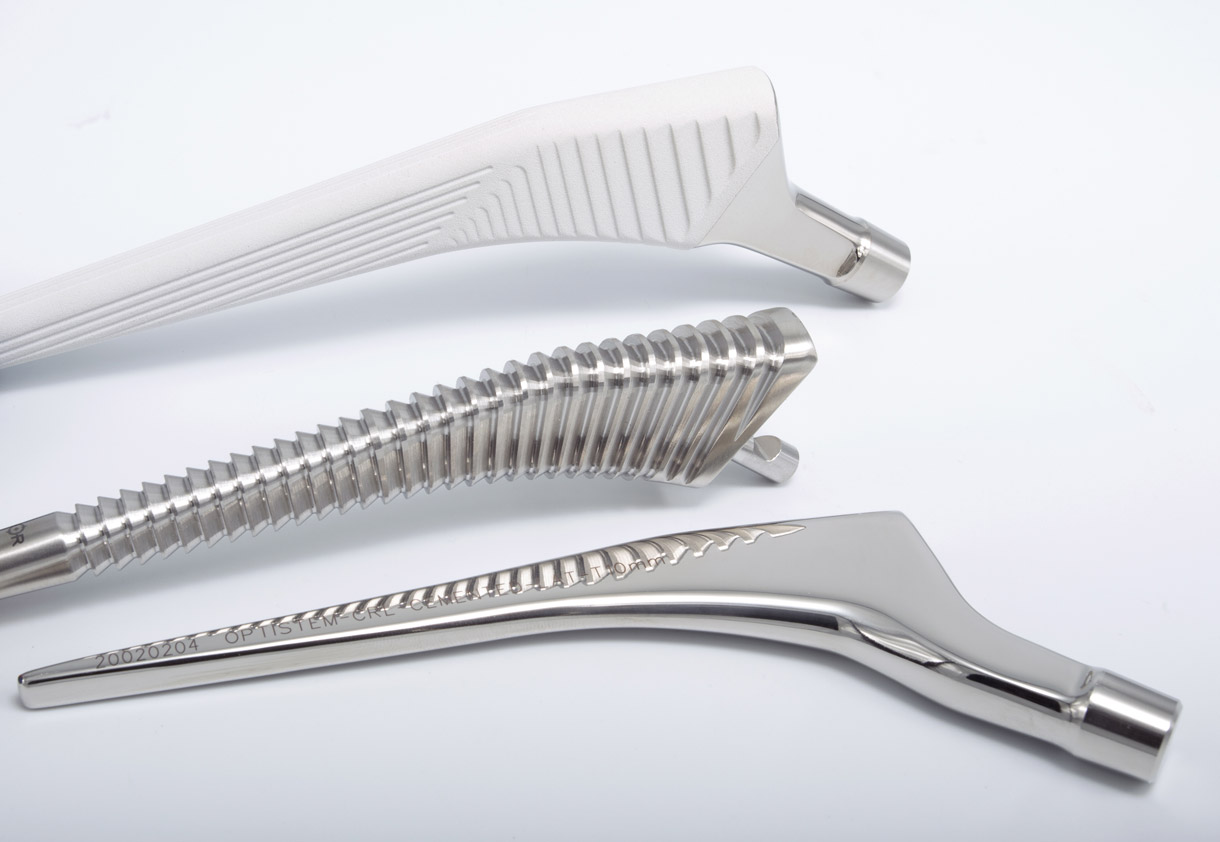
The OptiStem CRL system is based on a philosophy that has yielded excellent clinical results over the last 25 years. It is consisted of femoral components available in two versions: for press-fit and cemented use. Both types of implants can be implanted with the same set of instruments, all available in a single tray.
CRL Press-fit
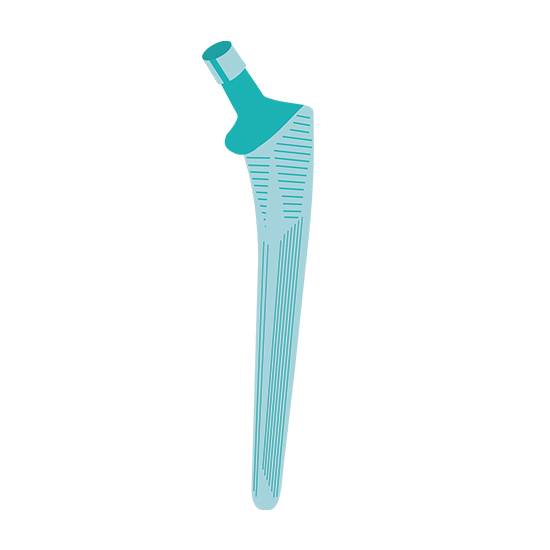
The OptiStem CRL Press-fit is a Titanium and Hydroxyapatite (HA) coated femoral stem for press-fit use. Characterized by a design that has evolved to define many of the standards for the cementless stems. Identified from several national hip implants registers as having the best long-term outcomes for patients. The geometry provides immediate bone engagement and long-term stability supported by the HA coating that encourages osseointegration, allowing for an anatomic continuity between implant and host bone.
By basing our design in evidence with well-established features we are able to provide increased access to some of the best-in-class implants, with the highest quality materials.
Design Features
- Clinical Heritage – modelled after the implants with the highest survivorship, reducing costs while simultaneously improving patient outcomes.
- HA coating – providing an optimal surface for biological fixation.
- Stability and Load transfer features- both Horizontal and Vertical grooves are present to provide increased stability and proximal load transfer helping to minimise distal thigh pain.
- Neck allows for a wide degree of movement before impingement.
- A surgical approach that is bone sparring.
Product Options
- Collarless and Collared
- Standard offset with 10 sizes
- Lateral offset with 11 sizes